
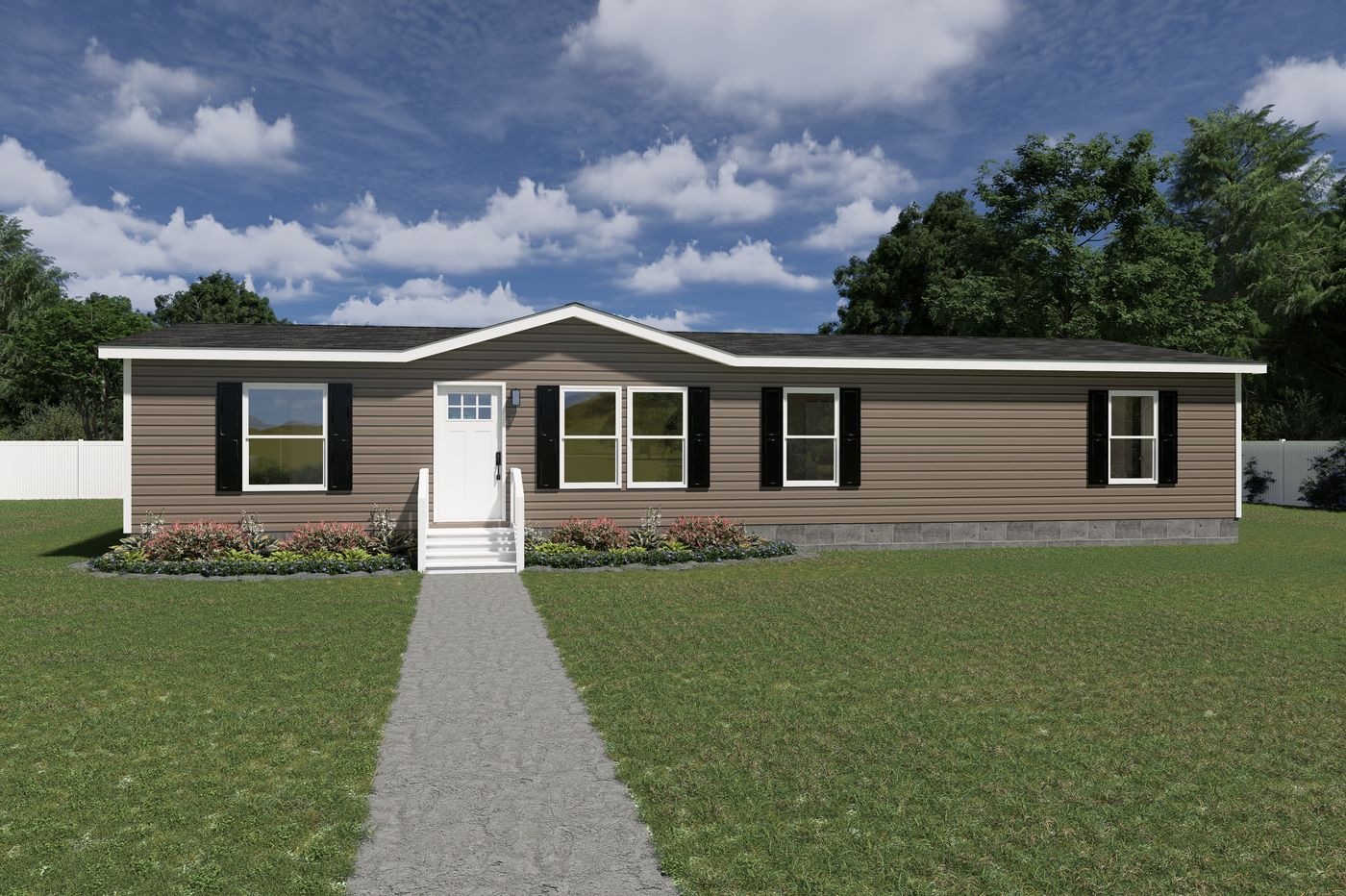
Why "mobile home" is technically outdated
The phrase is still in everyday use, and we use it ourselves when talking to buyers, because it is the words people actually search. But there is a real legal line behind it. On June 15, 1976, the federal Manufactured Home Construction and Safety Standards, commonly called the HUD code, took effect. Everything factory-built before that date is properly a mobile home. Everything built to the standard after that date is a manufactured home.
The distinction matters because it is doing a lot of quiet work in people's heads. Most of what the public pictures when it hears "mobile home" comes from housing built before 1976, when there was no single national standard for structure, wiring, insulation, or fire safety. A 1972 home and a 2026 home have almost nothing in common beyond the fact that both were assembled indoors.
What the HUD code actually requires
The HUD code is a federal construction and safety standard, and it is enforced through third-party inspection at the plant, before the home ever leaves. It covers structural design and load resistance, wind zones, thermal performance and insulation, plumbing and electrical systems, heating equipment, fire safety, and egress. Homes carry a red certification label proving compliance.
Two parts of it are worth calling out for buyers in Northern New York. Wind zone requirements set the structural loads the home must resist, and thermal zone requirements set insulation and energy performance standards for the climate the home is destined for. A home built for our region is specified for our region.
Because the standard is federal, it is uniform. A HUD-code home built for New York meets the same national baseline as one built for Texas, with the climate and wind specifications adjusted for the destination.
How modular is different
Modular homes are also built in a factory, so people reasonably lump them together with manufactured homes. The difference is which rulebook applies. Modular homes are built to the same state and local building codes as a house framed on site, and they are inspected by local building officials rather than certified under the federal HUD program.
Practically, that means modular homes ship as sections on carriers, get craned onto a permanent foundation, and get finished by crews on site. They are titled as real property along with the land, so they are financed with a standard mortgage and appraised like conventional housing.
That makes modular a good fit if you already own land and want something that behaves like a site-built house in every financial respect. It is not the lower-cost path, because you are still buying land, a foundation, excavation, and on-site finish work.
What is cheaper, modular or manufactured?
Manufactured is cheaper, and usually by a wide margin. There are three reasons.
First, the home itself. A HUD-code home is completed in the plant, including interior finish, cabinets, flooring, and fixtures. A modular home arrives as sections that still need on-site completion, and on-site labor is the most expensive labor in the process.
Second, the foundation. Modular construction requires a permanent foundation, which means excavation, footings, and concrete. Manufactured homes in a community are set on an engineered pier system on a prepared site.
Third, the land. Modular effectively assumes you own or are buying the lot. In our communities you buy the home and lease the site, which removes the largest single cost in New York housing from the transaction entirely. That is how a brand new three-bedroom, two-bath home lands at $135,000 installed on our Hudson 16×76 plan.
What this means for financing
Because a manufactured home on a leased site is titled separately from the land, it is usually financed with a home-only loan, sometimes called chattel. Those close faster and with less paperwork than a mortgage, with shorter terms and higher rates. VA, FHA, and conventional manufactured-home programs are all available through lenders who specialize in this housing type. Our financing guide walks through the differences in plain language.
Pre-1976 mobile homes are the hard case. Most lenders will not finance them at all, which is why older units usually change hands for cash at low prices. It is worth understanding before you compare a $40,000 resale listing to a new home, because those two purchases are not the same product or the same risk.
What we sell, plainly
Every home we offer is a new HUD-code manufactured home from Clayton's Epic series, placed on a managed site in one of our communities. Six plans, from 1,191 square feet with three bedrooms up to 2,027 square feet with four bedrooms and three baths. You can walk them at Indian Hills MHC in Phoenix or Indian River Estates in Theresa.
If someone tells you a new manufactured home is a mobile home, they are about fifty years out of date on the terminology, and the buildings themselves have moved even further than the words have.