
Where the short-lifespan reputation came from
Ask around and someone will tell you a mobile home is good for twenty years. That belief is real, and it came from real buildings, just not the ones being built now. Before June 15, 1976, factory-built housing had no single national standard. Structure, wiring, insulation, and fire safety varied by manufacturer and by state. A lot of those homes were built thin, especially for a climate like ours, and they did not age well.
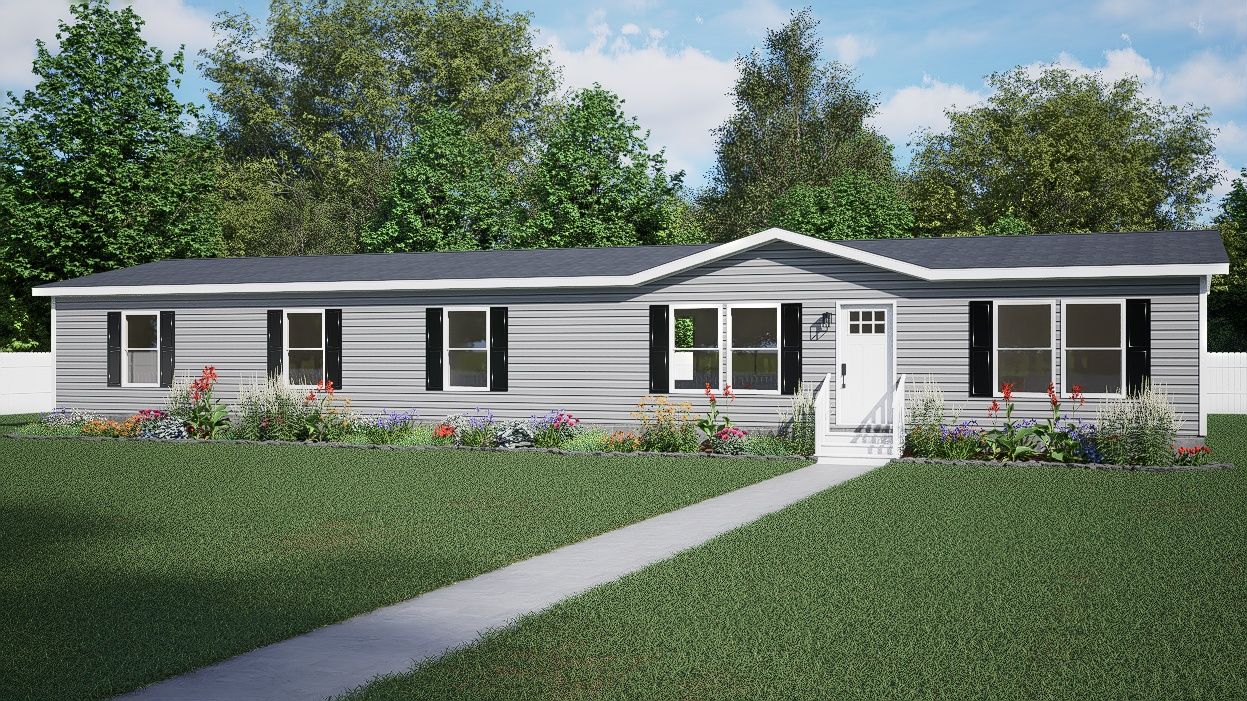
The federal HUD code changed that, and it has been strengthened repeatedly since. Today a manufactured home is engineered for the wind zone and thermal zone it is shipped to, inspected by a third party at the plant, and certified with a red label before it leaves. Judging a 2026 Clayton Epic by a 1972 trailer is like judging a current pickup truck by a 1972 one.
What the build quality looks like now
Modern HUD-code construction gets you engineered floor systems, insulated walls specified for the destination climate, dimensional or engineered roof trusses, house wrap, and residential-grade windows and doors. Mechanical systems are conventional: standard electrical panel, standard plumbing, standard forced-air heating. Our Epic series homes come with a full appliance package and finished interiors, meaning drywall, cabinetry, and flooring installed under factory conditions rather than in the rain.
There is a quality argument in favor of factory building that does not get made often enough. Materials are stored indoors, never soaked before they are enclosed. Assembly is repeatable and jigged. Every home is inspected against the same standard. On a site-built house, framing lumber can sit in the weather for weeks and inspection depends on the local schedule.
The factors that actually decide lifespan
For any house, manufactured or not, three things determine how long it lasts: how well it was installed, how well water is kept out, and how consistently it is maintained.
Installation is the one that is unique to this housing type, and it is the one buyers should ask hardest about. A home that is not properly leveled and tied down puts stress into the frame that shows up years later as binding doors, cracked drywall, and uneven floors. A home set correctly on a prepared site with a proper pier system and code tie-downs does not do that. Every home we sell is installed by our crews on a prepared site in one of our communities, which means the highest-risk variable is not left to chance.
Water is the second. In Jefferson and Oswego counties, that means snow load, ice damming, and spring melt. Clean gutters, an inspected roof, and grading that carries water away from the home handle almost all of it. Trapped moisture under a home is the quiet killer, so keep the skirting vents clear rather than sealed up.
Maintenance is the third, and it is the least glamorous. Annual furnace service. Filters. Caulk at windows and doors. A look at the skirting and tie-downs each spring. Re-level every few years as the site settles. None of it is expensive, and all of it is the difference between a home at year twenty-five that looks after itself and one that has three deferred problems compounding on each other.
Warranty context on our homes
Every home we sell is new construction from Clayton, and each comes with the manufacturer's new-home warranty on the structure and on installed systems and components, plus separate manufacturer warranties on the included appliances. Warranty terms and coverage details come with your home paperwork, and we walk through them with you before closing rather than after.
Because we install what we sell, a warranty question does not turn into an argument about whether the plant or the setup crew is responsible. You call our office and we sort it out.
What this means when you compare buying options
This is where lifespan becomes a financial question rather than a technical one. A twenty-year-old resale unit at a low cash price and a new home at $135,000 installed are not the same purchase. The resale unit is at or past the point where roof, HVAC, windows, and flooring all come due at once, and most lenders will not finance an older unit, so the low price is partly a reflection of that.
A new home starts its maintenance clock at zero, is financeable through VA, FHA, and conventional manufactured-home programs, and carries warranty coverage. Our financing guide covers those loan options in plain language, and current residents of our communities may qualify for up to $10,000 in down payment assistance.
If you want to see how a new one is built, walk through The Sevier 28×76 or any of our other plans, and come see them installed and lived in at Indian River Estates in Theresa. Bring your questions about the underside, the tie-downs, and the roof. Those are the right questions to ask.